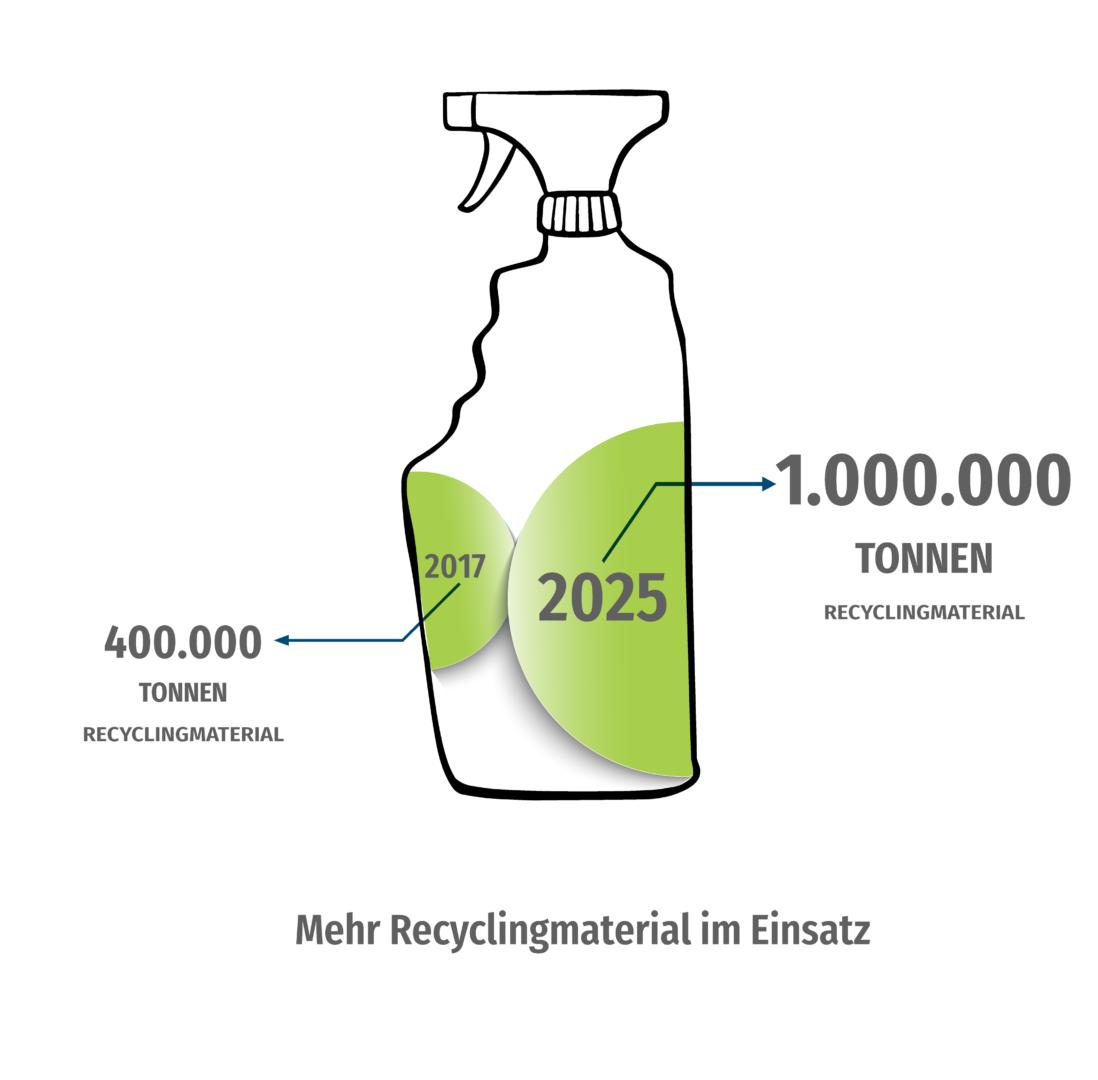
Introduction to Recyclatanteil
Recyclatanteil, meaning recycled content, is one of the most powerful drivers of sustainability in today’s industrial landscape. It refers to the proportion of recycled materials used in manufacturing a product, and it has become a key metric for evaluating environmental responsibility. As global concerns about climate change, resource depletion, and waste management intensify, recyclatanteil is gaining attention across industries and governments.
In simple terms, higher recyclatanteil means fewer natural resources are extracted, less energy is consumed, and less waste ends up in landfills. This concept is deeply connected to sustainable development and eco-friendly production. Businesses that adopt higher levels of recycled content are not only protecting the environment but also improving their market reputation and long-term profitability.
The Role of Recyclatanteil in the Circular Economy
The concept of recyclatanteil is central to the circular economy, a system designed to eliminate waste and keep resources in use for as long as possible. Unlike the traditional linear model of “take, make, dispose,” the circular economy emphasizes recycling, reusing, and regenerating materials.
By increasing recyclatanteil, companies contribute to closing the loop of production. Materials that would otherwise be discarded are reintroduced into the manufacturing cycle, reducing environmental impact. This approach supports resource efficiency and helps industries move toward sustainable production models.
Recyclatanteil also aligns with global sustainability goals, including reducing carbon emissions and conserving natural resources. Governments and environmental organizations are actively promoting policies that encourage the use of recycled materials, making it an essential factor for future economic growth.
Understanding Different Types of Recyclatanteil
Post-Consumer Recycled Content
Post-consumer recyclatanteil refers to materials that have been used by consumers and then collected for recycling. These materials include plastic bottles, glass containers, and paper products. They are processed and transformed into new products, reducing the amount of waste sent to landfills.
This type of recycled content is highly valuable because it directly addresses the issue of waste management. It also helps reduce pollution and supports environmental conservation.
Pre-Consumer Recycled Content
Pre-consumer recyclatanteil involves materials that are recovered during manufacturing processes before reaching consumers. These materials are reused instead of being discarded, improving production efficiency and minimizing industrial waste.
Although pre-consumer recycled content is beneficial, it is generally considered less impactful than post-consumer content because it does not directly reduce consumer waste.
Closed-Loop and Open-Loop Systems
Closed-loop recycling is a process where materials are recycled into the same type of product, such as aluminum cans being turned into new cans. Open-loop recycling involves converting materials into different products, such as using recycled plastic in construction materials.
Both systems play a significant role in increasing recyclatanteil and supporting sustainable manufacturing practices.
Industries Leading the Adoption of Recyclatanteil
Packaging and Consumer Goods
The packaging industry is one of the largest adopters of recyclatanteil. Companies are increasingly using recycled plastics, paper, and glass to create sustainable packaging solutions. This shift not only reduces environmental impact but also meets consumer demand for eco-friendly products.
Construction and Infrastructure
In the construction sector, recyclatanteil is applied through the use of recycled steel, concrete, and wood. These materials provide durability while reducing the environmental footprint of buildings and infrastructure projects.
Automotive and Transportation
Automotive manufacturers are integrating recycled materials into vehicle production. From metal components to interior fabrics, recyclatanteil is helping reduce the carbon footprint of transportation systems.
Textile and Fashion Industry
The fashion industry is adopting recyclatanteil by using recycled fibers such as polyester made from plastic waste. This approach addresses environmental concerns while supporting sustainable fashion trends.
Benefits of Increasing Recyclatanteil
Environmental Advantages
Increasing recyclatanteil reduces the need for raw material extraction, which helps preserve natural ecosystems. It also lowers greenhouse gas emissions and decreases energy consumption, making it a key strategy in combating climate change.
Economic Efficiency
Using recycled materials can reduce production costs over time. It also creates new opportunities in recycling industries, contributing to economic growth and job creation.
Brand Value and Consumer Trust
Consumers are becoming more environmentally conscious and prefer brands that demonstrate sustainability. A higher recyclatanteil enhances brand image and builds trust among customers.
Regulatory Compliance
Many governments are introducing regulations that require a minimum level of recyclatanteil in products. Companies that comply with these standards can avoid penalties and gain a competitive advantage.
Challenges in Achieving Higher Recyclatanteil
Despite its benefits, increasing recyclatanteil comes with challenges. One major issue is the availability of high-quality recycled materials. Contamination during the recycling process can affect material quality and limit its usability.
Another challenge is the cost of recycling infrastructure. Efficient systems for collecting, sorting, and processing materials require significant investment. Additionally, some industries face technical limitations in incorporating recycled materials without compromising product performance.
There is also a need for greater consumer awareness. While demand for sustainable products is growing, not all consumers fully understand the importance of recyclatanteil, which can influence purchasing behavior.
Strategies to Improve Recyclatanteil
Innovation in Recycling Technologies
Advanced technologies such as chemical recycling and automated sorting systems are improving the efficiency and quality of recycled materials. These innovations make it easier for industries to increase recyclatanteil.
Design for Sustainability
Products designed with recyclability in mind are easier to process at the end of their lifecycle. Using simple material compositions and avoiding complex combinations can significantly improve recyclatanteil.
Supply Chain Collaboration
Collaboration between manufacturers, suppliers, and recycling facilities is essential for ensuring a consistent supply of recycled materials. Strong partnerships help improve efficiency and support sustainability goals.
Consumer Education and Awareness
Educating consumers about the importance of recyclatanteil can drive demand for sustainable products. Clear labeling and transparent communication play a key role in influencing consumer choices.
Future Trends in Recyclatanteil
The future of recyclatanteil is closely linked to advancements in technology and increasing environmental awareness. As industries continue to innovate, new materials and processes will make recycling more efficient and cost-effective.
Digital tracking systems will allow companies to monitor recyclatanteil across their supply chains, ensuring transparency and accountability. Governments are also expected to introduce stricter regulations, further encouraging the use of recycled content.
In the coming years, recyclatanteil will become a standard requirement rather than a competitive advantage. Companies that adopt sustainable practices early will be better positioned to succeed in this evolving landscape.
Conclusion
Recyclatanteil is more than just a sustainability metric; it is a fundamental element of modern production and environmental responsibility. By increasing the use of recycled materials, businesses can reduce their ecological footprint, improve efficiency, and meet the expectations of environmentally conscious consumers.
As the world moves toward a circular economy, recyclatanteil will continue to play a critical role in shaping the future of industries. Companies that embrace this concept today are not only contributing to a healthier planet but also securing long-term success.
Frequently Asked Questions (FAQ)
What is recyclatanteil?
Recyclatanteil refers to the percentage of recycled materials used in a product. It indicates how much of the product is made from reused resources.
Why is recyclatanteil important for sustainability?
It reduces waste, conserves natural resources, lowers energy consumption, and helps decrease environmental pollution.
What is the difference between pre-consumer and post-consumer recyclatanteil?
Pre-consumer recyclatanteil comes from manufacturing waste, while post-consumer recyclatanteil comes from materials used and discarded by consumers.
Can recyclatanteil improve business performance?
Yes, it can reduce costs, enhance brand image, and ensure compliance with environmental regulations, leading to better market performance.
How can companies increase recyclatanteil?
Companies can invest in recycling technologies, design products for recyclability, collaborate with supply chains, and educate consumers about sustainability.